

Energy • Hydration • Recovery • Real physiology
Why You Still Feel Tired Even After Doing Everything Right
You’re eating fairly well. You’re trying to sleep enough. You’re pushing yourself to keep moving, stay productive, and hold it together. Yet you still feel flat, foggy, unmotivated, or oddly drained.
That does not automatically mean you are lazy, weak, or “just getting older”. Quite often, the real story sits underneath the surface: hydration, nutrient status, stress load, recovery quality, heat exposure, training demand, absorption, and whether your body is actually getting what it needs to produce and maintain energy efficiently.
- ⚡ Cellular energy
- 💧 Hydration + electrolytes
- 🌡️ Stress load
- 🧠 Recovery quality
- 🥗 Nutrient intake
- 🫙 Absorption
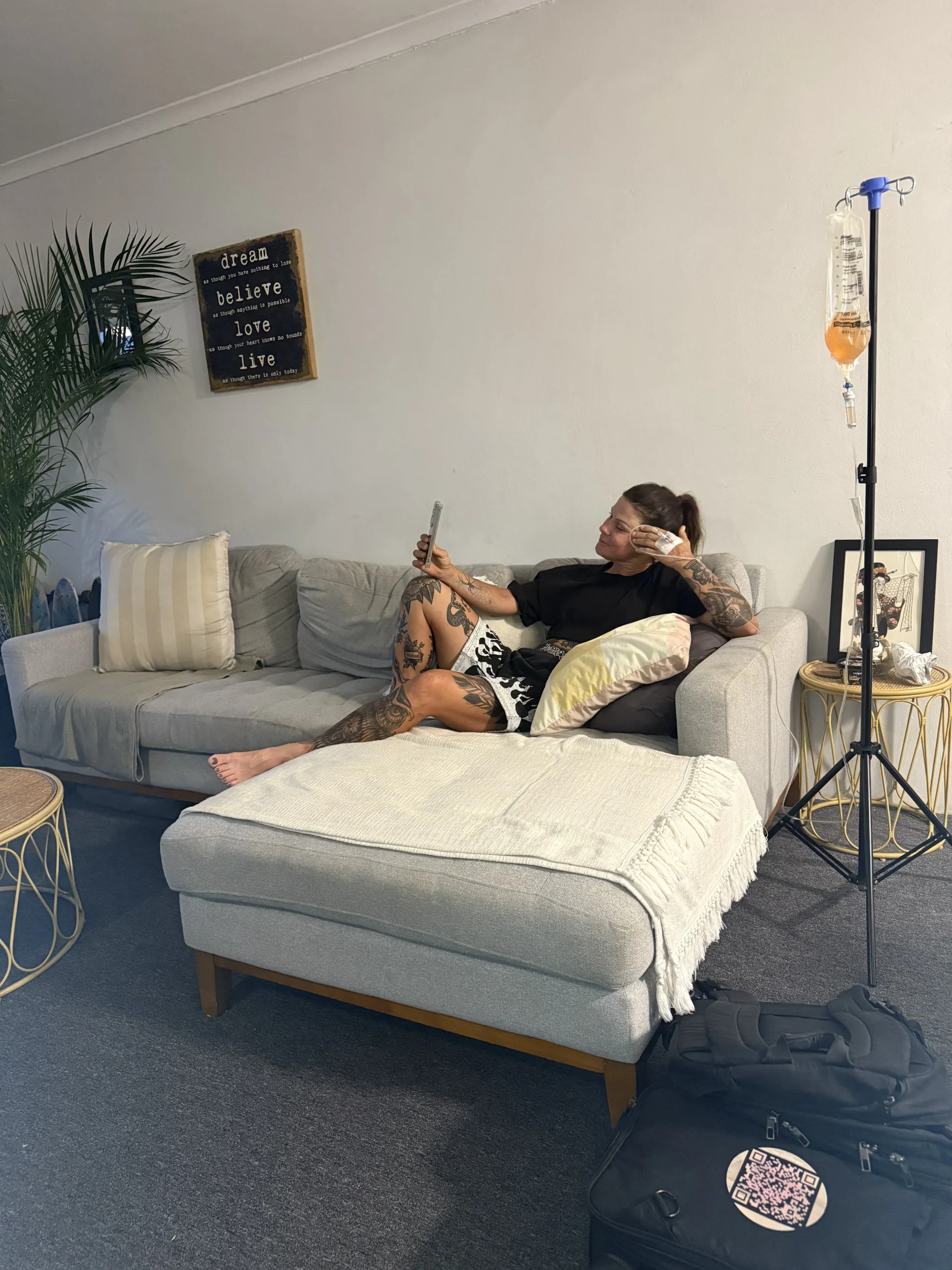
You’re Not Necessarily Unfit, Unmotivated, or “Doing Life Wrong”
A lot of people judge themselves harshly when they feel tired for weeks or months on end. They assume they need better discipline, stronger coffee, more gym sessions, or more supplements. Sometimes those things help a bit. A lot of the time, they just mask the problem.
Energy is a physiological output. Your body has to create it, regulate it, conserve it, and distribute it. When one or more inputs are off, the end result can be the same: you feel flat even though you are trying.
1. Cellular Energy Is Not the Same as “Eating Enough”
People often reduce energy to calories. That is too simplistic. Your body still has to turn food into usable cellular energy. That process depends on multiple nutrient cofactors and efficient metabolic pathways.
This is where things like B vitamins, magnesium, iron status, oxygen delivery, and general metabolic health matter. You can eat enough food and still feel flat if the conversion process is inefficient or if demand is outstripping supply.
2. Hydration Is More Than Drinking Water
This gets missed constantly. Plenty of people drink water all day and still feel average. That is because fluid balance is not only about water volume. It is also about electrolytes and how well fluid is actually being retained, distributed, and used.
Sodium, potassium, magnesium, and overall fluid balance help regulate nerve signalling, muscle function, circulation, and general energy levels. In hotter climates and high-sweat conditions, losses can stack up faster than most people realise.
That matters even more in places like Brisbane, the Gold Coast, and Northern Rivers NSW, where heat, humidity, training, work stress, and long days can quietly drag energy down.
- You feel flat, headachy, or foggy for no obvious reason.
- You sweat heavily, train often, or work long hours in warm conditions.
- You rely heavily on coffee but still feel drained.
- You drink lots of water but do not feel properly replenished.
3. Stress Changes the Equation Even When You “Look Fine”
Chronic stress can flatten people without them fully noticing how much load they are carrying. You might still be functioning, still going to work, still exercising, still doing what needs to be done — but your nervous system and recovery capacity may be taking a hit.
The problem is that stress does not just affect mood. It can also affect sleep quality, appetite, digestion, training tolerance, muscle tension, hydration habits, and how consistently people look after themselves.
So the person who says “I’m technically sleeping seven hours” may still be under-recovered if those hours are fragmented, restless, or happening on top of constant mental load.
4. Intake and Absorption Are Not the Same Thing
You can eat well and still feel depleted. That is not a contradiction. It just means that the conversation has to move beyond food quality alone.
Digestive function, appetite, alcohol intake, certain medications, irregular eating patterns, and gut issues can all affect how well nutrients are actually absorbed and used. On paper, someone might look like they are doing a decent job. In real life, their body may still be running below par.
- Long periods of stress or burnout.
- Highly processed eating during busy weeks.
- Heavy training blocks or long work shifts.
- Alcohol, poor sleep, or inconsistent meal timing.
- Digestive discomfort or low appetite.
5. More Effort Can Backfire
This is the trap: people feel tired, so they push harder. More training. More stimulants. More supplements. More forcing themselves through the day. Sometimes that gives a short lift. It can also bury the real issue.
If the body is already under strain, then constantly overriding fatigue signals is not automatically smart. Sometimes the sharpest move is to step back and look at the full picture: what is draining you, what is missing, and what keeps getting overlooked.
So What Actually Helps?
There is no magic line here, and there should not be. Real support starts with honesty. If energy is persistently poor, the smart approach is usually to stop guessing and look more carefully at the basics.
- Improve total hydration, not just water intake.
- Look at food quality, consistency, and actual protein and micronutrient intake.
- Take heat, sweat loss, exercise load, and work stress seriously.
- Pay attention to sleep quality, not just total hours in bed.
- Consider whether digestion, appetite, alcohol, or medication factors may be playing a role.
- Get a proper assessment instead of guessing your way through random fixes.
For some people, medically supervised hydration and nutrient support becomes part of that broader conversation. It is not a replacement for good sleep, good food, good judgement, or proper medical care. It is simply one possible support pathway within a bigger picture.
At The Vitamin Guy, the focus is on premium mobile service that is prescription-based, independently GP-assessed, and nurse-delivered — not hype, not overpromising, and not pretending one session solves every reason a person feels tired.
Still Doing Everything Right — and Still Feeling Flat?
That is usually your cue to stop blaming yourself and start looking deeper. Hydration, nutrient intake, recovery quality, lifestyle demand, and absorption can all shape how you feel day to day.
If you want to understand how our service works, start with the basics first: what we do, how clinical oversight works, and whether it sounds appropriate for your situation.
General information only. Independent GP assessment and prescription required. Nurse-delivered mobile service. Individual suitability varies.
Quick Answers
Why am I still tired even if I sleep enough?
Because sleep length is only one part of the picture. Hydration, stress, nutrient intake, recovery quality, alcohol, heat exposure, and absorption can all affect energy.
Can healthy people still feel depleted?
Absolutely. Looking healthy and functioning normally does not mean your recovery, intake, and total physiological demand are actually balanced.
Is dehydration always obvious?
No. Sometimes it shows up as feeling flat, foggy, headachy, heavy, or slow rather than dramatic thirst.
Where does IV therapy fit in?
For some people, medically supervised hydration and nutrient support becomes part of a wider plan. It should sit inside proper assessment, not replace it.

Comments are closed