🧬 Family & Essentiality
Mineral classTrace mineral
EssentialityEssential nutrient
Typical biological formZn²⁺ bound to enzymes, proteins, and transcription factors
Special noteImportant in “zinc finger” proteins that help regulate gene expression
Zinc is one of the body’s key trace minerals for immune function, tissue repair, skin integrity, growth, taste and smell, reproductive health, and everyday enzyme activity. Small amount, big workload.
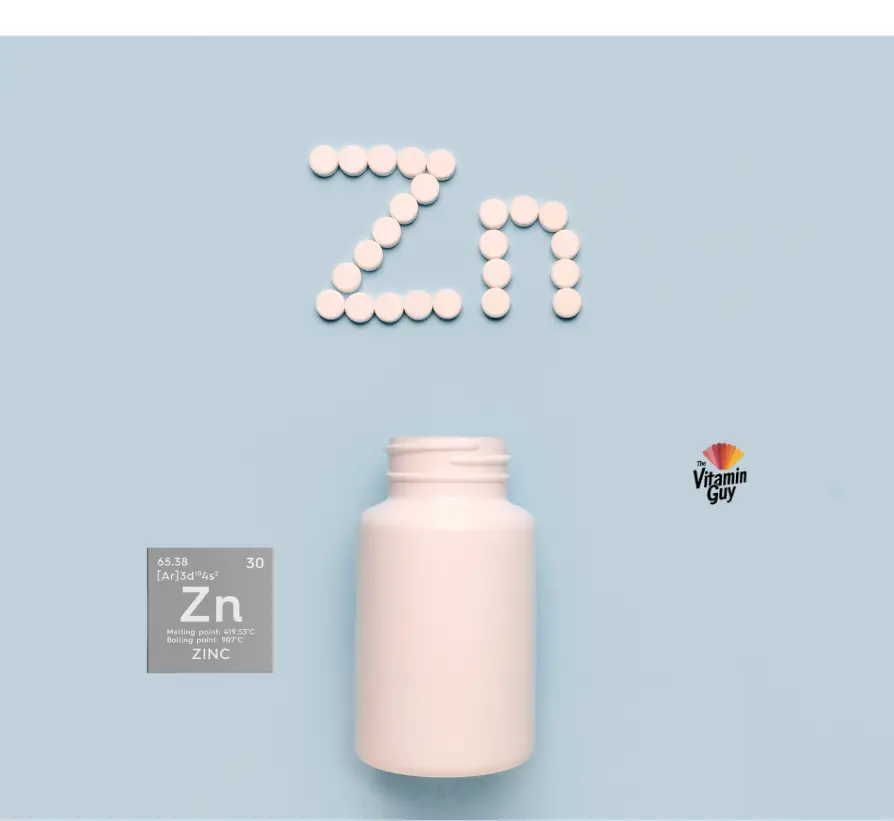
Zinc is one of the body’s repair-and-defence minerals. When intake is poor or absorption is impaired, healing can slow, appetite can drop, skin can suffer, and taste or smell can change.
Enough zinc matters. Blindly megadosing it does not make you healthier and can create a copper imbalance.
Plant-based diets can absolutely include enough zinc, but they usually need better planning because phytates can reduce absorption.
Oysters are the standout source. Meat and poultry generally provide zinc with better bioavailability than many plant foods. Legumes, nuts, seeds, and whole grains still contribute, but their zinc is often less efficiently absorbed.
| Food | Typical serve | Approx. zinc contribution | Practical note |
|---|---|---|---|
| Oysters | 100 g | Very high | One of the richest natural sources of zinc |
| Beef / lamb | 100 g cooked | Moderate to high | Reliable source with good bioavailability |
| Poultry | 100 g cooked | Moderate | Useful regular contributor |
| Dairy foods | 1 serve | Low to moderate | Helpful contributor across the day |
| Legumes | 1 cup cooked | Moderate | Absorption reduced by phytates |
| Pumpkin seeds / nuts | 30 g | Low to moderate | Useful addition, but not as absorbable as oysters or meat |
| Fortified cereals | 1 serve | Variable | Check the nutrition panel because fortification varies |
Values vary by food source, brand, and preparation method. Bioavailability is usually higher from animal-source foods than from high-phytate plant foods.
| Group | Target |
|---|---|
| Adult men | 14 mg/day |
| Adult women | 8 mg/day |
| Pregnancy | 11 mg/day |
| Lactation | 12 mg/day |
| Adult upper level (UL) | 40 mg/day |
Severe deficiency is not common in the general population, but marginal intake, poor absorption, restrictive diets, or chronic gastrointestinal issues can all push zinc status down.
Zinc excess is far more likely to come from supplements, lozenges, or stacked multi-products than from food.
One zinc number without context can be misleading. Borderline deficiency is easy to miss if the rest of the picture is ignored.
| Form | Typical use | Practical note |
|---|---|---|
| Zinc gluconate | General supplementation | Common and widely available |
| Zinc picolinate | General supplementation | Popular in practitioner-style products |
| Zinc citrate | General supplementation | Often reasonably well tolerated |
| Zinc acetate | Lozenges / targeted use | Often seen in short-term products |
| Zinc sulphate | Budget option | Can be harsher on the stomach for some people |
The “best” form is usually the one that matches the goal, the tolerated dose, and the actual elemental zinc needed.
Zinc does not work in isolation. Mineral balance, dietary protein, gut function, and overall food quality all matter.
Zinc helps maintain normal immune function, wound healing, skin integrity, growth, reproductive physiology, protein synthesis, and taste and smell. It also supports many enzymes and regulatory proteins.
Oysters are the standout source. Red meat, poultry, dairy, legumes, nuts, seeds, and fortified cereals also contribute, although plant sources usually have lower bioavailability because of phytates.
Yes. Food alone rarely causes a problem, but supplements can. Too much zinc can cause nausea and, over time, may reduce copper absorption and contribute to anaemia or neurological issues related to copper deficiency.
Not always. Serum or plasma zinc can be useful, but it is not a perfect marker. Results can shift with inflammation, stress, infection, and fasting status, so the full clinical picture matters.
They can if the diet is not well planned, because phytates in legumes and grains can reduce absorption. Soaking, fermenting, sprouting, and keeping protein intake solid can help.
No. Zinc should be used based on diet, symptoms, risk factors, and clinical context. Blanket high-dose use is lazy and can create copper imbalance if it goes on too long.
The Vitamin Guy
This layout is built to look premium, read better, and rank better, while staying inside the lines. No stupid claims. No fluff. Just stronger structure, better readability, and cleaner SEO.
General information only. Independent GP assessment and prescription are required where applicable. Nurse-delivered services only after appropriate clinical review.
Compliance note: this page is educational and uses structure/function wording only. It does not claim to diagnose, treat, cure, or prevent disease.
© Cellular Intelligence Australia. All rights reserved. No part of this content may be reproduced without permission.