🧬 Magnesium Family and Essentiality
First, here is the quick structural overview.
Mineral classMacro mineral
EssentialityEssential nutrient
Main distributionBone, muscle, and soft tissue
Serum fractionLess than 1% of total body magnesium


Magnesium is an essential mineral. Your body needs it for energy, muscle function, nerve signalling, blood sugar control, and normal heart rhythm. In simple terms, magnesium helps your cells work properly. It also supports relaxation, sleep quality, and stress balance.
First, here is the quick structural overview.
Magnesium helps your body make and use energy. It also helps muscles contract and relax in the right way. In addition, magnesium supports healthy nerve activity, steady heart rhythm, and normal metabolic function. That is why low magnesium can affect many body systems at once.
Magnesium is a basic mineral element, but it appears in many different supplement forms.
Magnesium supports a wide range of normal body functions.
Magnesium is involved in nervous system regulation. Because of that, low magnesium may overlap with poor sleep, tension, irritability, fatigue, or lower stress tolerance. However, magnesium is not a magic fix. It works best as part of a broader nutrition and health picture.
Absorption is affected by both the form of magnesium and the health of the gut.
Many whole foods contain magnesium. So, a mixed diet usually works better than relying on one “superfood”.
Low magnesium can show up in different ways. For example, it may affect muscles, energy, sleep, or heart rhythm.
Magnesium testing can be tricky. Serum magnesium is common, but it does not always reflect total body status well. Therefore, clinical context still matters. That is especially true with recurrent cramps, long-term PPI use, diuretics, or ongoing gastrointestinal losses.
Magnesium can affect both nutrient balance and medicine absorption.
Here is the blunt version.
These magnesium reference values are general adult guideposts. In practice, personal needs can vary with age, diet, health status, and losses.
| Group | Reference intake | Notes |
|---|---|---|
| Men 19–30 years | 400 mg/day | RDI |
| Men 31+ years | 420 mg/day | RDI |
| Women 19–30 years | 310 mg/day | RDI |
| Women 31+ years | 320 mg/day | RDI |
| Pregnancy | 350–360 mg/day | Depends on age bracket |
| Lactation | 310–320 mg/day | Depends on age bracket |
| Supplement-only upper level | 350 mg/day | Applies to magnesium from non-food sources |
The upper level applies to supplemental or non-food magnesium, not magnesium naturally present in food.
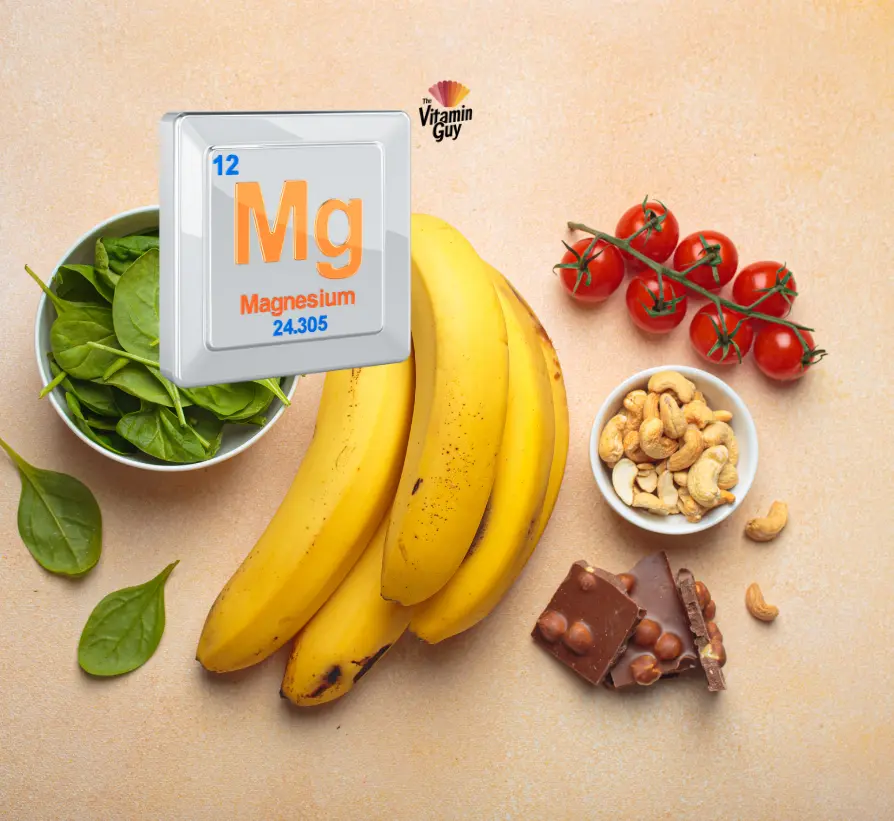
A magnesium-rich eating pattern usually includes nuts, seeds, legumes, leafy greens, and less-refined whole foods. So, consistency matters more than chasing one perfect food.
| Food group | Examples | Why it matters |
|---|---|---|
| Seeds and nuts | Pumpkin seeds, almonds, cashews | High magnesium density in relatively small serves |
| Legumes | Black beans, chickpeas, lentils | Useful for steady intake plus fibre support |
| Whole grains | Oats, brown rice, wholegrain breads | Refining can reduce magnesium content |
| Leafy greens | Spinach, silverbeet | Helpful as part of an overall magnesium pattern |
| Cocoa foods | Cocoa powder, dark chocolate | Can contribute meaningful amounts in moderation |
| Water | Some mineral waters | Content varies by brand and source |
Not all magnesium products feel the same in the gut. Therefore, the best option often comes down to dose, tolerance, and why the product is being used.
| Form | Typical positioning | Main practical note |
|---|---|---|
| Magnesium glycinate | Often chosen for gentler GI tolerance | Commonly used when people dislike the laxative effect of other forms |
| Magnesium citrate | Popular everyday form | Can be well absorbed but may loosen stools in some people |
| Magnesium oxide | Common and inexpensive | More likely to cause GI upset or diarrhoea |
| Magnesium chloride | Used in some oral products | Can be useful, but product formulations vary widely |
The best magnesium form depends on dose, tolerance, product quality, and the reason it is being used.
Kidney impairment matters. Excess magnesium is more likely when renal clearance is reduced. That is when clinically significant hypermagnesaemia becomes a real concern.
Browse the full educational library in the Learn Hub. You can also compare this page with the Minerals hub and the Calcium guide.
Open Learn HubIndependent GP assessment and prescription are required where applicable. For service details, read the FAQ or contact The Vitamin Guy directly.
Magnesium supports energy production, muscle function, nerve signalling, protein synthesis, blood sugar regulation, and heart rhythm stability.
Yes. Serum magnesium reflects only a small part of total body magnesium. So, a normal blood result does not always rule out low magnesium status.
Common signs may include cramps, twitching, fatigue, poor sleep, palpitations, or low potassium that keeps coming back. However, symptoms are not specific, so context matters.
Many people tolerate magnesium glycinate or magnesium citrate better than magnesium oxide. However, the best option depends on the person, the dose, and the reason for use.
Yes. Magnesium can reduce absorption of some medicines, including levothyroxine and certain antibiotics. That is why dose separation is often important.
It can help some people, especially when intake is low. Still, it is not a cure-all. Sleep, stress, diet, and overall health all matter.
TGA-compliant note: This page describes normal physiological roles, dietary intake, and general educational information about magnesium. It does not claim to diagnose, treat, cure, or prevent disease.