Let’s Stay In Touch

Stay Informed. Stay Well.

Subscribe for clinical wellness insights, service updates, and exclusive offers — prescribed by GPs and delivered by AHPRA-registered nurses across Queensland & Northern Rivers NSW. Your Email Subscribe I agree and have read the FAQs.

Shopping cart

Evidence-informed Australian context SEO-optimised TGA-safe educational wording

Vitamin B2 (Riboflavin)

Vitamin B2 is a water-soluble B-vitamin used to build two essential coenzymes — FMN (flavin mononucleotide) and FAD (flavin adenine dinucleotide). These drive energy metabolism, antioxidant recycling, and the normal function of several other nutrients.

🔑 Core Function Helps convert food into cellular energy through FMN and FAD-dependent enzymes.
🛡️ Antioxidant support Supports glutathione recycling and broader redox balance inside cells.
🔄 Nutrient teamwork Helps support normal metabolism of vitamin B6, niacin, folate, and iron.
💡 Stability note Riboflavin is light-sensitive, so storage and food handling actually matter.

General educational information only. This page discusses normal physiology, food sources, deficiency patterns, and assessment logic. It does not diagnose, treat, cure, or prevent disease and is not a substitute for personalised medical advice.
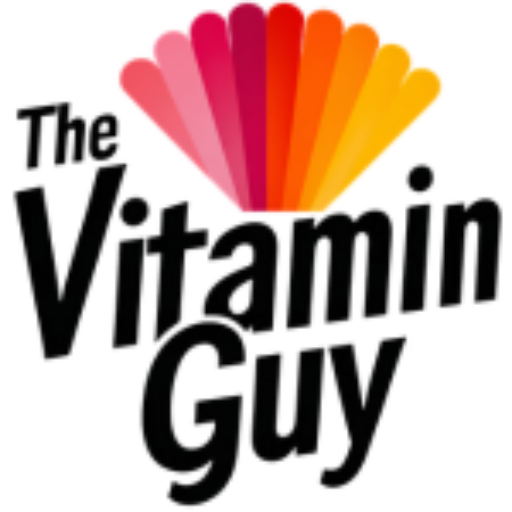
Vitamin B2 riboflavin educational profile by The Vitamin Guy for Brisbane, Gold Coast and Northern Rivers NSW
Vitamin B2 educational guide • The Vitamin Guy
Vitamin family Water-soluble B-vitamin
Main coenzymes FMN and FAD
Australian adult RDI Men 1.3 mg • Women 1.1 mg
Upper level No UL established

What Vitamin B2 Actually Does

Riboflavin is not just an “energy vitamin.” It is a structural part of flavin coenzymes that sit inside oxidation-reduction reactions all over the body. That means it matters for mitochondria, antioxidant defence, nutrient activation, and healthy tissues with high metabolic demand.

🧬 Family & forms

NameVitamin B2, riboflavin
EssentialityEssential — must be obtained from the diet
Key coenzymesFMN (flavin mononucleotide) and FAD (flavin adenine dinucleotide)
Main roleElectron transfer, oxidation-reduction reactions, and metabolic support

⚗️ Chemical snapshot

  • Formula: C17H20N4O6
  • CAS: 83-88-5
  • Physical trait: naturally yellow-orange, which is why high-dose supplements can make urine bright yellow.
  • Stability: fairly heat-stable but highly sensitive to light exposure.

🌿 Plain-language summary

Vitamin B2 helps your body release energy from carbohydrates, fats, and proteins. It also helps maintain antioxidant defences and supports the normal function of several other vitamins and minerals.

When riboflavin status is poor, tissues with rapid turnover or high metabolic activity can show the strain first — especially the lips, mouth, tongue, skin, and eyes.

⚡ Key biochemical roles

Role / pathwayWhy it mattersPractical outcome
Mitochondrial electron transferFMN and FAD participate in oxidation-reduction reactions in energy pathwaysSupports ATP production
Fatty acid oxidationHelps cells use fat as fuelSupports broader fuel flexibility
Glutathione reductase activitySupports recycling of reduced glutathioneHelps maintain antioxidant capacity
Vitamin B6 activationSupports conversion toward the active PLP formHelps normal amino-acid and neurotransmitter metabolism
Folate and niacin metabolismRiboflavin-dependent enzymes contribute to normal one-carbon and B-vitamin metabolismSupports nutrient teamwork rather than isolated function

🧠 Why it matters beyond energy

  • Supports healthy skin and mucous membranes.
  • Contributes to normal eye function.
  • Helps maintain redox balance in cells.
  • Supports efficient use of other nutrients rather than acting alone.

Australian Intake Targets, Food Sources & Absorption

Riboflavin deficiency is not the most common deficiency in the general population, but it still shows up where diet quality is poor, intake is limited, alcohol misuse is present, or food storage and handling are suboptimal.

🇦🇺 Australian NRVs

Life stageRDI / AIUnits
Adult men1.3mg/day
Adult women1.1mg/day
Pregnancy1.4mg/day
Lactation1.6mg/day

No Upper Level of Intake has been established for riboflavin in the Australian NRV framework.

💡 Storage & handling reality

Riboflavin is famously light-sensitive. That means exposure to sunlight or strong light can reduce riboflavin content in foods and solutions. This is why opaque packaging matters more for B2 than many people realise.

Cultural food note: yoghurt stored in opaque tubs can preserve riboflavin better than milk exposed to light in clear containers. It is a small detail, but it is a real one.

🥗 Better food sources of vitamin B2

Food groupExamplesWhy it matters
DairyMilk, yoghurt, cheeseConsistently useful riboflavin sources in many diets
EggsWhole eggsHelpful mixed-nutrient source including riboflavin
Lean meats & offalBeef, lamb, liver and other organ meatsDense source with broader B-vitamin support
Fortified grainsFortified cereals, some enriched flour productsCan materially support baseline intake
Nuts & vegetablesAlmonds, mushrooms, spinach and other greensContribute meaningfully in varied diets

Food values vary by brand, fortification status, growing conditions, cooking, and storage. Light exposure can reduce riboflavin content.

🍽️ Absorption & bioavailability

  • Riboflavin is absorbed in the small intestine.
  • Absorption works best at physiological intakes rather than unlimited mega-doses.
  • Mixed meals can support regular intake patterns.
  • Repeated low intake matters more than one imperfect meal.

⬇️ What can lower status

  • Low overall diet quality
  • Alcohol misuse
  • Chronic illness or malnutrition
  • Very restrictive diets without good planning
  • Repeated exposure of riboflavin-rich foods to strong light
  • Some medicines may alter status or requirement in certain people

Deficiency, Risk Groups & Practical Clinical Context

Riboflavin deficiency is classically called ariboflavinosis. It often shows up in tissues you can actually see — lips, mouth, tongue, skin, and eyes.

🚨 Deficiency signs

Classic signs

  • Angular cheilitis — cracking at the corners of the mouth
  • Glossitis — sore or magenta tongue
  • Stomatitis
  • Seborrhoeic dermatitis-like rash

Other possible features

  • Eye irritation or light sensitivity
  • Dry, inflamed mucous membranes
  • Fatigue when deficiency is part of broader malnutrition

👥 Higher-risk groups

  • People with poor dietary intake or general malnutrition
  • People with chronic alcohol misuse
  • Older adults with limited food variety
  • People with malabsorption or complex chronic illness
  • People on highly restrictive diets without proper planning
Reality check: isolated riboflavin deficiency does happen, but in practice it often overlaps with wider B-vitamin or overall nutrition problems.

📊 Evidence snapshot

TopicEvidence strengthPlain-English take
FMN/FAD roles in energy metabolismStrongEstablished physiology, not wellness fluff
Support of glutathione recyclingStrongBiochemically well grounded
Deficiency signs in mouth, skin and eyesStrongClassic and well recognised
High-dose riboflavin for migraine preventionMixed but clinically discussedSometimes used, but high-dose use should sit under appropriate clinical supervision
Broad “more energy” claims in well-nourished peopleWeak / overstatedUsually marketing getting ahead of evidence

High-dose riboflavin is sometimes discussed in migraine settings, but that is not a blanket recommendation for everybody and should not be oversold.

Testing, Interpretation & Interactions

Riboflavin assessment is more useful when it is tied to symptoms, diet quality, clinical history, and the wider nutrition picture.

🧪 Better testing options

  • EGRAC (erythrocyte glutathione reductase activation coefficient): commonly used functional marker of riboflavin status.
  • Plasma riboflavin: can provide supportive information.
  • Urinary riboflavin: sometimes used as additional context.
Clinical pearl: abnormal mouth, tongue, skin or eye findings plus poor intake should prompt a wider nutritional look, not just a narrow single-number mindset.

🔗 Important interactions

  • Light exposure: degrades riboflavin in foods and solutions.
  • Alcohol: can worsen poor status through broader nutritional disruption.
  • Some medicines: chlorpromazine, tricyclic antidepressants, and some chemotherapy regimens are sometimes discussed in relation to altered status.

🌈 Excess & safety

No toxicity from foods is known, and no Upper Level has been established for riboflavin in the Australian NRV framework. High supplemental doses can produce bright yellow urine, which looks dramatic but is usually harmless.

Important: high-dose riboflavin protocols used for migraine discussions are not the same thing as daily maintenance nutrition. Do not blur those two categories.

Vitamin B2 FAQs

The common questions, answered clearly.

What does vitamin B2 do in the body?
Vitamin B2 helps form FMN and FAD, two coenzymes that support energy production, antioxidant recycling, and normal metabolism of other nutrients such as vitamin B6, niacin, and folate.
What are the signs of low riboflavin?
Common deficiency signs include cracks at the mouth corners, sore or magenta tongue, stomatitis, seborrhoeic dermatitis-like changes, and eye irritation. In real life, it often overlaps with broader poor nutrition.
Which foods contain vitamin B2?
Good sources include milk, yoghurt, eggs, lean meats, organ meats, fortified cereals, almonds, mushrooms, and some green vegetables.
Why does riboflavin need protection from light?
Riboflavin is light-sensitive, so exposure to strong light can degrade it in food and solutions. Opaque storage and packaging help preserve it.
Can riboflavin supplements make urine bright yellow?
Yes. High-dose supplements often make urine look bright yellow because riboflavin itself has a vivid yellow colour. That is usually harmless.
What is the best test for vitamin B2 status?
EGRAC, which stands for erythrocyte glutathione reductase activation coefficient, is one of the more established functional markers. Plasma or urinary riboflavin can add supportive information.

Keep Exploring

Riboflavin does not work alone. If you want the bigger picture, look at the wider B-vitamin network, overall dietary quality, and how your whole nutrition pattern fits together.

References & Further Reading

  1. National Health and Medical Research Council (NHMRC). Nutrient Reference Values for Australia and New Zealand – Riboflavin. nrv.gov.au
  2. Office of Dietary Supplements, National Institutes of Health. Riboflavin – Health Professional Fact Sheet. ods.od.nih.gov
  3. Food Standards Australia New Zealand (FSANZ). Australian Food Composition Database. foodstandards.gov.au
TGA-safe wording note: this page is educational. It describes normal nutrient physiology, dietary sources, deficiency risk, and assessment concepts. It does not make therapeutic claims.